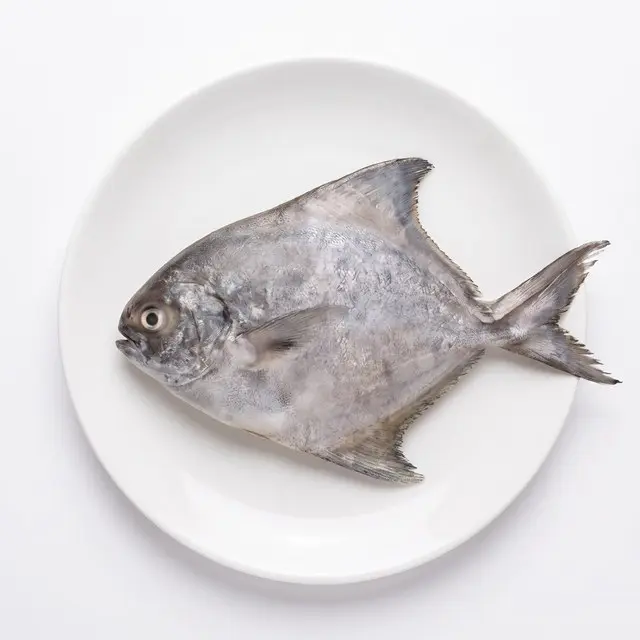
Fish in this guide: Surmai (Kingfish)Halwa (Black Pomfret)SardinePomfretBangda (Mackerel) Today's prices →
Krill Oil vs Fish Oil vs Eating Fish: Which Omega-3 Is Best?
Krill oil vs fish oil comes down to form and label: both give EPA and DHA, krill mostly as phospholipids and fish oil mostly as triglycerides, and studies have not settled which absorbs better. For most healthy adults, two meals of oily sea fish a week beat both capsules.
This is general information, not medical advice. Ask your doctor before taking any omega-3 supplement, especially if you have a shellfish or fish allergy, take blood thinners, or are pregnant.
Searches for “krill oil vs fish oil” have more than doubled in India this year, and “does fish oil help hair growth” has jumped even faster. This guide answers both. It sits alongside our detailed look at fish oil capsules vs fish, which covers capsule labels, side effects and safe limits.
What is krill oil, and how is it different from fish oil?
Krill are tiny shrimp-like crustaceans that live in cold seas, mostly around Antarctica. Krill oil is pressed or extracted from them.
The NIH Office of Dietary Supplements (ODS) describes the key differences:
| Fish oil | Krill oil | |
|---|---|---|
| Source | Oily fish such as anchovy, sardine, mackerel | Antarctic krill, a crustacean |
| Main omega-3s | EPA and DHA | EPA and DHA |
| Chemical form | Mostly triglycerides or ethyl esters | Mostly phospholipids |
| Absorption | All forms raise blood EPA and DHA (NIH) | Studies differ on whether it absorbs better (NIH) |
| EPA plus DHA per capsule | Typical 1,000 mg capsule has about 300 mg (NIH) | Often less per capsule; check the label |
| Colour | Pale yellow | Red, from astaxanthin, a natural pigment |
| Allergy note | Avoid with fish allergy | Avoid with shellfish allergy |
So krill oil is not a “stronger” fish oil. It is a different package of the same two omega-3s. If a krill capsule has less EPA and DHA, you may need more capsules to reach the same amount. Read the panel on the back, not the claim on the front.
Does fish oil help hair growth?
This question has jumped in Indian searches. The honest answer: the evidence is thin.
- Omega-3s are part of every cell membrane, including skin cells, as the NIH explains. That does not mean extra capsules grow more hair in a healthy person.
- Studies are few and mixed. The small trials often quoted used supplements that combined omega-3 with omega-6 and antioxidants, so they cannot show what fish oil alone does. Many were short and funded by makers.
- A major review of vitamins, minerals and hair loss (Almohanna and colleagues, 2019) focused on iron, vitamin D, zinc and biotin, and called for larger trials before firm advice. It did not identify omega-3 as an established treatment.
Hair fall usually has a cause worth finding: iron deficiency, low vitamin D, thyroid problems, stress, illness, crash dieting, or genetics. A doctor or dermatologist can test for these. Our hair fall diet guide explains which nutrients matter and which fish supply them.
Eating fish: the omega-3 numbers
Here is EPA plus DHA in common Mumbai fish, from the Indian Food Composition Tables 2017 (IFCT 2017, ICMR-NIN). We have added how many typical 300 mg fish oil capsules each matches, by our arithmetic.
| Fish, 100 g raw | EPA plus DHA | Typical capsules it matches |
|---|---|---|
| Surmai (सुरमई, kingfish) | about 1,050 mg | about 3.5 |
| Halwa (हलवा, black pomfret) | about 810 mg | about 2.7 |
| Tarli (तारली, oil sardine) | about 610 mg | about 2 |
| Pomfret (पापलेट, white) | about 590 mg | about 2 |
| Bangda (बांगडा, Indian mackerel) | about 330 mg | about 1 |
Fish values change with size, season and catch area, so use these as planning numbers. Our omega-3 fish guide has the full chart, including freshwater fish.
Fish also gives protein (about 22 g per 100 g of surmai), plus vitamin B12, vitamin D and selenium, which the US FDA lists among nutrients in fish. No capsule bundles all of that.
What ICMR-NIN, NIH and AHA advise
- ICMR-NIN (India): The Dietary Guidelines for Indians 2024 advise preferring marine fish such as mackerel, at about 200 g a week, for long-chain omega-3. They do not mention fish or krill oil capsules.
- NIH ODS (US): People should get most nutrients from food. Supplements help when needs cannot be met from food.
- American Heart Association: Two servings of fish a week, especially fatty fish. Omega-3 supplements are for specific medical needs, under a doctor’s care.
Two portions of surmai of 100 g each give about 2.1 g of EPA plus DHA in a week, by our calculation.
Capsules vs food: when each makes sense
Food first, for most people. Two oily fish meals a week, such as a surmai fry and a bangda fry, cover what most guidance suggests.
Capsules, when a doctor advises. Examples include very high triglycerides, some heart conditions, or a diet with no fish at all. Your doctor will choose the type and dose. Algal oil is the vegetarian option.
Be careful if you:
- Have a shellfish allergy (krill) or fish allergy (fish oil).
- Take warfarin or other blood thinners.
- Are pregnant or breastfeeding. Our low-mercury fish guide for pregnancy covers safe fish choices.
Buying omega-3 rich fish in Thane
Verified sellers on Relifish list fresh surmai, halwa, pomfret, bangda and tarli most days, subject to the catch. Choose steaks, curry pieces or whole fish with slits. Order from verified sellers on Relifish and check today’s fish prices in Thane before you order.
Sources
- NIH Office of Dietary Supplements. Omega-3 Fatty Acids: Fact Sheet for Health Professionals. Fish oil, krill oil and algal oil; forms and absorption; typical capsule; safety.
- Longvah T, et al. Indian Food Composition Tables 2017. ICMR-NIN. EPA and DHA (Table 7) and protein (Table 1).
- ICMR-National Institute of Nutrition. Dietary Guidelines for Indians 2024. Guideline 7, page 56.
- Almohanna HM, Ahmed AA, Tsatalis JP, Tosti A. The Role of Vitamins and Minerals in Hair Loss: A Review. Dermatology and Therapy. 2019;9(1):51 to 70. Full text at PMC.
- American Heart Association. Fish and Omega-3 Fatty Acids.
- US Food and Drug Administration. Advice about Eating Fish. Nutrients in fish.
Frequently asked questions
Is krill oil better than fish oil?
Not clearly. Both supply the omega-3s EPA and DHA. In krill oil, most omega-3 is attached to phospholipids, while fish oil carries it mainly as triglycerides. The NIH Office of Dietary Supplements says studies differ on whether krill omega-3 is absorbed better. Krill capsules often contain less EPA and DHA per capsule, so compare labels, not brand claims.
Does fish oil help hair growth?
The evidence is limited. A few small studies have tested supplements that mixed omega-3 with omega-6 and antioxidants, so they cannot show what fish oil alone does. There are no strong trials showing fish oil grows hair in healthy people. Hair fall often has other causes, such as iron or vitamin D deficiency or thyroid problems, which a doctor can test for.
Is eating fish better than taking fish oil or krill oil?
For most healthy adults, yes. Fish gives EPA and DHA plus protein, vitamin B12, vitamin D and selenium. The NIH says people should get most nutrients from food, and ICMR-NIN suggests about 200 g of marine fish a week. Two oily fish meals a week cover what most guidance asks. Capsules are a decision for your doctor.
Which Indian fish has the most omega-3?
By IFCT 2017, surmai leads common Mumbai fish at about 1.05 g of EPA plus DHA per 100 g raw, then halwa (black pomfret) at about 0.81 g, tarli (oil sardine) at about 0.61 g, white pomfret at about 0.59 g and bangda at about 0.33 g. Freshwater rohu and katla have much less.
Who should not take krill oil?
Krill is a small crustacean, related to prawns and crabs, so people with a shellfish allergy should avoid krill oil unless their doctor says otherwise. People on blood thinners should also check with their doctor before any omega-3 supplement, as high doses may affect bleeding. Pregnant and breastfeeding women should ask their doctor first.
Can vegetarians get EPA and DHA without fish or krill?
Yes, through algal oil, which is made from algae. The NIH says algal oil supplements usually provide about 100 to 300 mg of DHA, and some also have EPA. Plant foods such as flaxseed and walnuts give ALA, but the body converts only small amounts of ALA into EPA and DHA. A dietitian can help you choose.
How we write and check these guides: editorial standards
Share this article: