Fish in this guide: ClamSardineBangda (Mackerel)Tuna (Kupa)Prawns Today's prices →
Vitamin B12 Foods: Which Fish and Seafood Give the Most B12?
Among vitamin B12 foods, the richest are seafood: clams (17 µg in 3 ounces cooked), oysters (14.9 µg), and oily fish like sardine and mackerel (about 9 µg per 100 g), according to NIH and USDA data. Adults need only 2.4 µg a day, so one serving of clams, tarli or tuna covers the day for most adults.
- Richest: clams (tisrya, shimplya) and oysters (kalva), at 6 to 7 times the adult need per serving.
- Everyday fish: sardine and mackerel types (tarli, bangda) are strong sources.
- Need: 2.4 µg a day for adults, 2.6 µg in pregnancy, 2.8 µg while breastfeeding (NIH).
- Why it matters: about 1 in 3 Indian teenagers had low B12 in the national CNNS survey.
Every number below comes from a source listed under Sources.
This is general food information, not medical advice. If you have tingling, numbness, tiredness or anaemia, or take metformin or acid-reducing medicines, ask your doctor about a B12 test before changing your diet or taking supplements.
Why does B12 matter, and why does India run short?
NIH explains that vitamin B12 is needed for healthy red blood cells, DNA and the nerves. Low B12 can cause tiredness, a type of anaemia (low blood) called megaloblastic anaemia, and tingling in the hands and feet. The body stores 1 to 5 mg of B12, says NIH. So symptoms can take years to appear.
In India, low B12 is common. ICMR-NIN’s Dietary Guidelines for Indians (2024) quote the national CNNS survey:
| Age group | Vitamin B12 deficiency |
|---|---|
| Children 1 to 4 years | 13.8% |
| Children 5 to 9 years | 17.2% |
| Adolescents 10 to 19 years | 30.9% |
Nearly one in three teenagers had low B12. The main reason is simple. B12 comes from animal foods. NIH says plant foods do not naturally contain it. ICMR-NIN says getting enough B12 is a challenge for vegetarians, and that milk has only a small amount.
How much B12 is in fish and seafood?
India’s food tables (IFCT 2017) do not list vitamin B12 for fish. So the numbers below come from US sources. NIH gives amounts per 3-ounce (85 g) cooked serving. USDA FoodData Central gives amounts per 100 g, raw unless stated.
Per 3 ounces cooked (NIH):
| Food | B12 (µg) | Share of 2.4 µg adult need |
|---|---|---|
| Clams (shimplya, tisrya), cooked | 17 | about 7 times |
| Oysters (kalva), wild, cooked | 14.9 | about 6 times |
| Salmon, Atlantic, cooked | 2.6 | just over 1 day |
| Tuna, light, canned in water | 2.5 | about 1 day |
| Beef, ground, cooked | 2.4 | 1 day |
| Egg, 1 large | 0.5 | about one-fifth |
Per 100 g (USDA FoodData Central):
| Food (raw unless stated) | B12 (µg) |
|---|---|
| Clam, mixed species | 11.3 |
| Bluefin tuna | 9.43 |
| Blue crab | 9.0 |
| Atlantic sardine, canned in oil, with bone | 8.94 |
| Atlantic mackerel | 8.71 |
| Atlantic salmon, farmed | 3.23 |
| Skipjack tuna | 1.9 |
A note on Indian fish. USDA tests Atlantic sardine and Atlantic mackerel. Tarli (Indian oil sardine) and bangda (Indian mackerel) are related species. We found no Indian lab figure for their B12, so treat these as a guide, not an exact number for your tarli fry.
What does the chart tell you?
Shellfish are the B12 champions. Clams and oysters give several days’ worth in one serving. On the Konkan coast, clams are cooked as tisryachi sukka or in a coconut masala.
Oily fish come next. Sardine and mackerel types sit near 9 µg per 100 g. That is more than three days of the adult need from one portion.
Tuna varies by type. Skipjack tuna has 1.9 µg per 100 g raw. Bluefin is much higher. Canned light tuna gives 2.5 µg per 3 ounces.
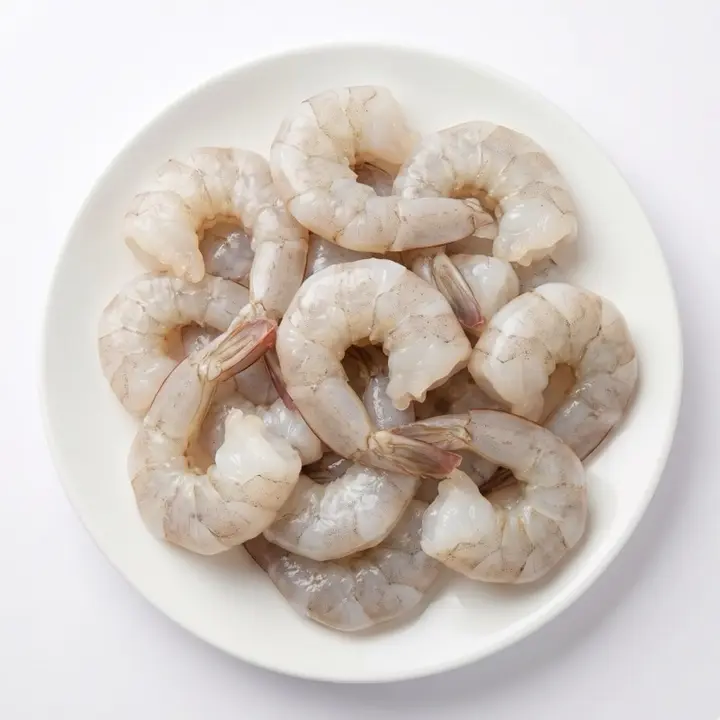
Prawns are a source too. NIH says B12 is present in fish and other animal foods. We did not find a reliable figure for prawns, so we left them out of the chart.
Compare with vegetarian foods. NIH lists 1.3 µg in a cup of milk and 1.0 µg in a 6-ounce plain yogurt. Spinach and kidney beans have none.
How much B12 do you need a day?
NIH’s RDAs (recommended daily amounts), set by the US Food and Nutrition Board:
- Children 1 to 3 years: 0.9 µg a day.
- Children 4 to 8 years: 1.2 µg.
- Children 9 to 13 years: 1.8 µg.
- Ages 14 and over: 2.4 µg.
- Pregnancy: 2.6 µg. Breastfeeding: 2.8 µg.
NIH notes no upper limit has been set for B12, because it has low potential for harm. But more is not always better absorbed. NIH says absorption drops sharply past 1 to 2 µg at a time. So regular fish meals through the week serve you better than one huge portion.
Who should pay extra attention to B12?
NIH lists these groups as more likely to run low:
- Vegetarians and vegans. Natural B12 comes only from animal foods.
- Older adults. Atrophic gastritis, which affects 8% to 9% of adults aged 65 and over, reduces B12 absorption from food.
- People on metformin. This diabetes medicine might reduce B12 absorption. See our fish for diabetes guide.
- People on acid-reducing medicines for reflux or ulcers.
- People who have had stomach or bowel surgery.
- Babies of mothers on a vegan diet, if breastfed only.
If you fall in one of these groups, food alone may not be enough. Your doctor can check your level and advise you.
What does a simple B12 week with fish look like?
| Day | Meal idea | Fish to ask for |
|---|---|---|
| Monday | Tarli fry with bhakri | Tarli, scaled and gutted |
| Wednesday | Egg bhurji and curd rice | No fish; curd and eggs add B12 (ICMR-NIN) |
| Friday | Bangda curry with rice | Bangda, gutted, cut in 2 or 3 pieces |
| Sunday | Tisryache sukke (dry clam masala) | Clams, washed, opened on one shell |
- Two or three seafood meals a week. Rotate tarli, bangda, clams and tuna.
- Add clams once in a while. A small serving goes a long way.
- Keep curd and eggs in the plan. ICMR-NIN names curd, eggs and flesh foods as B12 sources.
- For pregnancy, pick low-mercury seafood. Sardine, clams, oysters and shrimp are on the US FDA/EPA Best Choices list. Read our low mercury fish for pregnancy guide.
For a family of four, about 500 g of cleaned tarli or bangda, or 1 kg of clams in the shell, makes one meal.
Fish also brings protein, vitamin D, selenium and omega-3, says the FDA. See our vitamin D rich fish chart and omega 3 fish guide.
How do you buy B12-rich seafood in Thane and Mumbai?
- Clams should be closed, or close when tapped. Discard any that stay open.
- Tarli and bangda should have bright eyes, red gills and firm flesh.
- Tuna is usually sold in slices. Ask for fresh-cut pieces.
Not sure of names? Our fish names in English and Marathi chart helps. Prices move every day with the catch, so check today’s fish prices first.
Order B12-rich seafood in Thane
Verified sellers on Relifish list tarli, bangda, clams, tuna and prawns when they have them. Order for today or pre-order for a later day. Choose how it is cleaned and cut, and pick a 2-hour delivery slot in Thane, Mulund or Bhandup.
What to do next: see today’s tarli and bangda or browse all fish in the shop.
Sources
- National Institutes of Health, Office of Dietary Supplements. Vitamin B12: Fact Sheet for Health Professionals. RDA table, food table, absorption, body stores, groups at risk, medicines, upper limit.
- ICMR-National Institute of Nutrition. Dietary Guidelines for Indians 2024. PDF at nin.res.in. Table II (CNNS 2019 data), nutrients of concern for vegetarians, B12 sources in pregnancy.
- US Department of Agriculture, FoodData Central (SR Legacy), B12 per 100 g: clam, mixed species, raw (174214); tuna, bluefin, raw (173706); crab, blue, raw (174204); sardine, Atlantic, canned in oil, with bone (175139); mackerel, Atlantic, raw (175119); salmon, Atlantic, farmed, raw (175167); tuna, skipjack, raw (175156).
- US Food and Drug Administration. Advice about Eating Fish. Nutrients in fish; Best Choices list.
- Longvah T, et al. Indian Food Composition Tables 2017. ICMR-NIN. PDF at nin.res.in. Checked: no vitamin B12 values for fish.
Frequently asked questions
Which fish has the most vitamin B12?
Clams have the most vitamin B12 of common seafood. NIH lists 17 µg in 3 ounces of cooked clams, about 7 times the 2.4 µg adults need a day. Oysters follow at 14.9 µg. Among fish, USDA data show sardine and mackerel near 9 µg per 100 g, ahead of salmon at about 3 µg and skipjack tuna at about 2 µg.
How much vitamin B12 do adults need a day?
NIH gives the adult RDA as 2.4 µg a day for men and women aged 14 and over. It rises to 2.6 µg in pregnancy and 2.8 µg while breastfeeding. Children need less, from 0.9 µg at ages 1 to 3 to 1.8 µg at ages 9 to 13. One small fish meal usually covers an adult's day.
Is vitamin B12 deficiency common in India?
Yes, especially in young people. ICMR-NIN's Dietary Guidelines for Indians (2024) quote the national CNNS survey, which found vitamin B12 deficiency in 30.9% of adolescents aged 10 to 19. It was 17.2% in children aged 5 to 9. ICMR-NIN also notes that getting enough B12 is a challenge on a vegetarian diet.
Can vegetarians get vitamin B12 without fish?
It is harder. NIH says B12 is not naturally present in plant foods. ICMR-NIN notes milk has only a small amount, and suggests curd, eggs and flesh foods as sources. Fortified foods and supplements can help vegetarians, says NIH. If you eat no fish, eggs or meat, ask your doctor whether you should test your B12.
Does metformin lower vitamin B12?
It can. NIH says metformin, a common diabetes medicine, might reduce B12 absorption and lower blood B12 levels. Acid-reducing drugs used for reflux can also interfere with B12 absorption from food. If you take either for a long time, ask your doctor whether a B12 test makes sense. Do not stop any medicine on your own.
Is it better to eat a big fish meal once or small portions often?
Small, regular portions work better. NIH explains that B12 absorption drops sharply once intrinsic factor, the stomach protein that carries B12, is saturated at about 1 to 2 µg at a time. So two or three modest fish or seafood meals spread across the week, plus curd or eggs on other days, serve you better than one very large serving.
How we write and check these guides: editorial standards
Share this article: