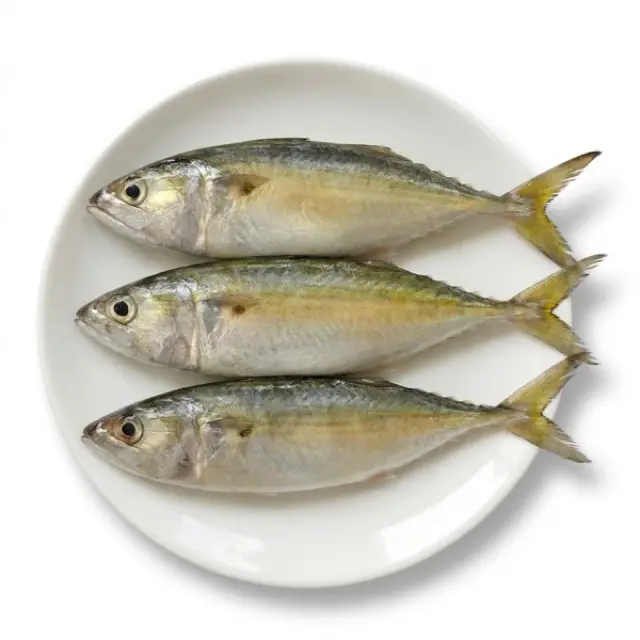
Fish in this guide: Bangda (Mackerel)Surmai (Kingfish)PomfretPrawns Today's prices →
Tirphal: The Konkan Spice Behind Malvani Fish Curry
Tirphal (तिरफळ), also called teppal, is the dried, split berry of a Konkan tree related to Sichuan pepper. A few crushed shells give a Malvani or Goan fish curry its woody, citrusy aroma and a light tingle. Use 4 to 5 shells for 500 g of fish and throw away the bitter black seeds. Planning the curry? See today’s bangda and surmai on fish price today.
- Tirphal is a dried Konkan berry, a cousin of Sichuan pepper. It smells woody and citrusy and gives a light tingle, not heat.
- Use 4 to 5 shells for 500 g fish. Take out the black seeds first; they are bitter.
- Crush lightly and simmer with the gravy. The shells are not eaten.
- It suits oily fish best: bangda, tarli and surmai.
- Closest substitute: about half a teaspoon of Sichuan pepper.
What is tirphal?
Tirphal is a spice from the Konkan coast, from Ratnagiri and Sindhudurg down to Goa and coastal Karnataka. It comes from a thorny tree of the Zanthoxylum genus, usually identified as Zanthoxylum rhetsa. The same genus gives Sichuan pepper, used in Chinese cooking. You can read more about the plant on Wikipedia’s Zanthoxylum rhetsa page.
The berries are picked, dried and split open. What you buy is the brown, wrinkled outer shell, often with a shiny black seed still inside.
| Name | Where it is used |
|---|---|
| Tirphal (तिरफळ) | Marathi, Malvani |
| Teppal | Konkani, Kannada, Mangalorean homes |
| Tefla, tirfal | Goa |
| Indian prickly ash | One English name for the tree |
What does tirphal taste like?
Rub a shell between your fingers and smell it. You will get:
- A woody, citrus smell, a little like dried orange peel with a hint of pine.
- A light tingle on the tongue, the same buzz Sichuan pepper gives, but softer.
- No chilli heat. Tirphal is about aroma, not spice.
In a fish curry, tirphal does two jobs. It lifts the roasted coconut and kokum, and it softens any strong fishy smell. That is why it pairs so well with oily fish like bangda and tarli.
How to use tirphal in fish curry
- Count the shells. Use 4 to 5 tirphal for about 500 g of fish. For a big pot of 1 kg fish, use 7 to 8.
- Remove the seeds. Open each shell and throw away the shiny black seed. The seeds are bitter.
- Crush lightly. Press the shells with the flat of a knife or in a mortar. Do not powder them.
- Add with the water. Put them in when you thin the fried masala paste with hot water, so they simmer with the gravy.
- Or soak for a milder curry. Soak the shells in 3 tbsp warm water for 10 minutes. Add only the water, and keep the shells out.
The shells stay in the curry when you serve it. They are not eaten. Most families just push them to the side of the plate.
Tirphal in Malvani, Goan and Konkani cooking
- Malvani fish curry (kalvan). Roasted coconut, onion, Malvani masala, kokum and tirphal. Our Malvani fish curry recipe uses surmai or bangda, and our Malvani pomfret curry uses paplet.
- Bangda tikhla. A thick, fiery, almost dry gravy of red chillies, garlic and kokum, often with tirphal. See our bangda fry recipe for the fish itself.
- Goan and Saraswat fish curries. Raw coconut ground with red chillies and kokum or tamarind, with tirphal for aroma. Our Goan fish curry explains the base.
- Prawn and shellfish curries. Konkani kolambi curries often use a few shells. Try them in our kolambi curry.
- Dal and beans. Some Konkan homes also add tirphal to dal and bean dishes.
Which fish suit a tirphal curry?
| Fish (Marathi name) | Why it works with tirphal | Cut to ask for |
|---|---|---|
| Bangda (बांगडा) | Oily, strong fish; tirphal balances it | Cleaned, cut in 2 or 3 |
| Tarli (तारली) | Very oily; tirphal cuts the richness | Cleaned whole |
| Surmai (सुरमई) | Firm steaks hold in the gravy | Steaks, 2 cm thick |
| Pomfret (पापलेट) | Mild fish takes on the aroma | Thick pieces |
| Prawns (कोळंबी) | Sweet meat pairs with citrus notes | Peeled and deveined |
For a milder fish like pomfret, use one shell fewer, so the aroma does not take over.
Too much tirphal: how to fix a bitter curry
Bitter, medicinal gravy usually means one of three things:
- Too many shells. Fish them out at once and add a little more coconut milk or water.
- Seeds left in. Next time, remove every black seed.
- Simmered too long. For a very long cook, add the shells halfway through.
A little extra kokum and a pinch of jaggery can round out a curry that has gone slightly bitter.
Substitutes for tirphal
| Substitute | How much for 500 g fish | Result |
|---|---|---|
| Sichuan pepper | About ½ tsp, lightly crushed | Closest; same genus, a bit more tingle |
| Leave it out | None | Still a good curry, without the Konkan aroma |
Black pepper, lemon zest or extra kokum do not copy the flavour. If you cook Malvani food often, it is worth keeping a small jar of tirphal.
Where to buy and how to store tirphal
Tirphal is sold at Konkan and Malvani masala shops in Mumbai and Thane, at many grocery stores that stock coastal spices, and online. Look for shells that are dry, brown and strongly aromatic when rubbed.
Store tirphal in a clean, dry, airtight jar away from the stove. Whole shells keep their aroma for many months. Crush them only just before you cook.
Order fish for your tirphal curry
On Relifish, verified sellers in Thane list fish for curry every day. Choose bangda, surmai or pomfret cut the way you like, pick a 2-hour delivery slot and pay online. Order for today or pre-order for a later day. The seller delivers across Thane and nearby Mulund and Bhandup.
For a family of four, 500 g of cleaned bangda (about 3 to 4 medium fish) or 500 g of surmai steaks is enough for one curry with rice. That is the amount the 4 to 5 shells above are measured for.
What to do next: check today’s bangda and fish prices today, then order cleaned fish for the day you plan to cook.
Related reading
- Malvani fish curry recipe
- Pomfret curry, Malvani style
- Solkadhi recipe
- Why fish curry in Mumbai doesn’t taste the same anymore
Sources
- Zanthoxylum rhetsa, Wikipedia, for the plant, its range and its common names.
Frequently asked questions
What is tirphal?
Tirphal (तिरफळ), also called teppal or tefla, is the dried, split berry of a Konkan tree from the Zanthoxylum genus, usually identified as Zanthoxylum rhetsa. It is a cousin of Sichuan pepper. The brown shells give a woody, citrusy aroma and a light tingle on the tongue. It is used mainly in Malvani, Goan and Konkani fish curries.
What does tirphal taste like?
Tirphal smells woody and citrusy, a little like dried orange peel and pine, with a faint tingle or numbness on the tongue. It is not hot like chilli. In a fish curry it lifts the coconut and kokum and hides any strong fishy smell. Too much makes the gravy bitter and medicinal, so a few shells are enough.
How much tirphal should I use in fish curry?
Use 4 to 5 tirphal shells for about 500 g of fish. Lightly crush them, throw away the shiny black seeds, which are bitter, and add the shells to the gravy with the water or kokum. Let them simmer with the curry. If you want a milder flavour, soak them in warm water and add only the water.
What is a substitute for tirphal?
The closest substitute is Sichuan pepper, from the same plant genus. Use about half a teaspoon, lightly crushed, for 500 g of fish. If you have neither, skip it. The curry will still taste good with kokum and Malvani masala; it just will not have that woody Konkan aroma. Black pepper does not give the same effect.
Which fish curries use tirphal?
Tirphal is used in Malvani fish curry (kalvan) with bangda, surmai or pomfret, in Goan and Saraswat fish curries, and in many Konkani prawn and shellfish curries. It suits oily or strong fish like bangda and tarli especially well, because its aroma balances their taste. It is also used in some Konkan dal and bean dishes.
How do I store tirphal?
Keep tirphal in a clean, dry, airtight jar away from light and heat. Whole dried shells keep their aroma for many months. Crush them only just before cooking, because the aroma fades fast once broken. If the shells smell faint or dusty when you rub them, it is time to buy fresh ones.
How we write and check these guides: editorial standards
Share this article: