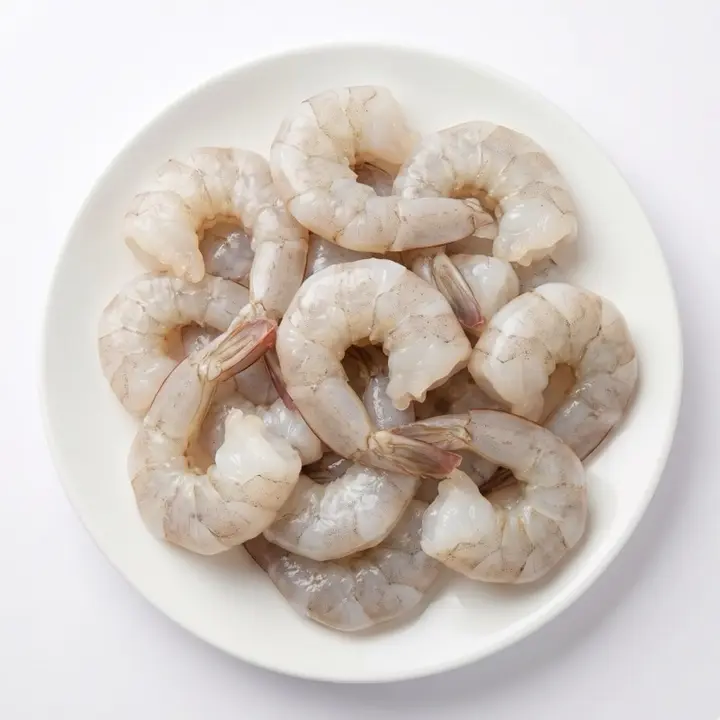
Fish in this guide: PrawnsCrabBangda (Mackerel) Today's prices →
Are Prawns Good for Health? What the Data Says
Yes, prawns are good for health for most people: they are high in protein, very low in fat and low in mercury. The two things to watch are shellfish allergy and the oil they are cooked in.
Quick answer
- Protein: 14.25 g per 100 g raw tiger prawns, at about 65 kcal (IFCT 2017, ICMR-NIN).
- Fat: only 0.74 g per 100 g, leaner than almost any fish or meat.
- Minerals: one serving gives most of a day’s selenium, plus some zinc and iodine.
- Cholesterol: prawns have it, but heart experts now focus on your overall diet.
- Watch out for: shellfish allergy, undercooking and deep frying.
In Mumbai and Thane, prawns are kolambi (कोळंबी). Many people also call them jhinga, and the big ones tiger prawns. For sizes and types, see our prawns types and sizes guide.
Every number comes from a source listed under Sources.
This is general food information, not medical advice. If you have a heart condition, high cholesterol, a shellfish allergy or are pregnant, ask your doctor before changing your diet.
What is the nutrition in 100 g of prawns?
| Prawns (raw unless stated) | Energy (kcal) | Protein (g) | Fat (g) | Source |
|---|---|---|---|---|
| Tiger prawns, orange (Penaeus monodon) | 65 | 14.25 | 0.74 | IFCT 2017 |
| Tiger prawns, brown (Solenocera) | 65 | 14.85 | 0.56 | IFCT 2017 |
| Shrimp, raw (US sample) | 85 | 20.1 | 0.51 | USDA |
| Shrimp, cooked (US sample) | 99 | 24.0 | 0.28 | USDA |
How to read this table
- IFCT gives energy in kilojoules. We converted to kcal with IFCT’s factor (1 kcal = 4.18 kJ) and rounded.
- The Indian and US samples differ. Species, size and how the sample was prepared all matter.
- Cooked prawns show more protein per 100 g because water is lost. Compare raw with raw.
The big point is fat. At well under 1 g per 100 g, prawns are leaner than almost any fish or meat.
How much protein do prawns give?
Prawns have less protein per 100 g than bangda (21.51 g) or surmai (22.28 g). But they have so few calories that they lead on protein per calorie.
| Food (raw, IFCT 2017) | Protein per 100 kcal (g) |
|---|---|
| Tiger prawns | 21.9 |
| Bangda | 21.3 |
| Rohu | 19.3 |
| Surmai | 16.4 |
A 150 g raw portion of tiger prawns gives about 21.4 g protein for about 98 kcal. ICMR-NIN says flesh foods give complete protein, with all the building blocks the body needs. It advises adults to get 0.83 g of protein per kg of body weight a day. That is 54 g for a 65 kg adult.
For a family of four, about 600 g of cleaned prawns gives each person a 150 g portion. Buy more if you order them with head and shell on.
For a full chart, see fish vs chicken protein per 100 g and fish vs egg vs paneer protein.
Which minerals and vitamins are in prawns?
| Nutrient | Amount | Source |
|---|---|---|
| Selenium | 42 mcg in 3 oz (85 g) cooked shrimp, 76% of the 55 mcg DV | NIH ODS |
| Zinc | 1.16 mg per 100 g raw tiger prawns | IFCT 2017 |
| Zinc | 1.4 mg in 3 oz cooked shrimp | NIH ODS |
| Iodine | 13 mcg in 3 oz cooked shrimp, 9% of the 150 mcg DV | NIH ODS |
| Calcium | 71.89 mg per 100 g raw tiger prawns | IFCT 2017 |
| EPA + DHA | 0.12 g per 100 g raw tiger prawns | IFCT 2017 |
Selenium is the standout. NIH says selenium helps with thyroid hormones, making DNA, and protecting cells from damage. One normal serving of prawns covers most of a day’s need.
Zinc is moderate. Men need 11 mg a day and women 8 mg, says NIH. Prawns give a useful share, but crab and oysters give far more. See our zinc rich seafood guide.
Iodine is modest. NIH lists seafood among the best iodine sources. But shrimp’s 13 mcg per serving is small next to cod’s 146 mcg. Iodised salt still does most of the work in Indian kitchens.
Vitamin B12. NIH says B12 occurs naturally in animal foods, including fish. The USDA shrimp entries we checked did not report a B12 value, so we will not give one. For B12, clams and crab are the proven picks. See vitamin B12 from fish.
Omega-3 is low. Prawns have far less than oily sea fish like surmai (1.05 g) or bangda (0.33 g).
Do prawns raise cholesterol?
This is the question most people ask. Yes, prawns contain dietary cholesterol.
| Food (per 100 g) | Cholesterol (mg) | Fat (g) | Source |
|---|---|---|---|
| Shrimp, raw | 161 | 0.51 | USDA |
| Shrimp, cooked | 189 | 0.28 | USDA |
| Blue crab, raw | 78 | 1.08 | USDA |
| Egg, whole, raw | 372 | 9.51 | USDA |
For years, advice set a strict daily limit on dietary cholesterol. That has changed. The American Heart Association’s 2019 science advisory reviewed the evidence. It found:
- Large population studies in several countries mostly do not show a clear link between cholesterol in food and heart disease.
- But most trials link eating more than the current average with higher total or LDL (“bad”) cholesterol.
- So advice should focus on healthy eating patterns, not a single cholesterol target.
Those patterns are built on vegetables, fruits, whole grains, lean protein, nuts, seeds and liquid vegetable oils. Prawns fit in as a lean protein.
What this means in your kitchen: the cooking usually matters more than the prawn. A plate of prawns fried in reused oil is a different meal from a kolambi curry made with a spoon of oil.
If you already have high cholesterol, heart disease or diabetes, do not go by general advice. Your doctor knows your lipid report. See also omega-3 fish for heart health.
What are the signs of prawn allergy?
The US FDA lists crustacean shellfish, such as shrimp, crab and lobster, among the nine major food allergens. The FDA says reactions can range from hives and lip swelling to anaphylaxis, which can be life-threatening.
Symptoms the FDA lists include:
- Hives, flushed skin or a rash
- Tingling or itching in the mouth
- Swelling of the face, tongue, lips or throat
- Vomiting, diarrhoea or stomach cramps
- Coughing, wheezing or difficulty breathing
- Dizziness or fainting
The FDA says symptoms usually appear within minutes to a few hours. If someone shows these after eating prawns, stop eating and get medical help at once. Do not test a suspected allergy at home. If one family member is allergic, use separate utensils and oil.
How to buy and store prawns safely
Points 1, 3, 4 and 5 follow the US FDA’s seafood safety advice. Point 2 is common kitchen sense.
- Check colour and smell. Shrimp flesh should be clear with a pearl-like colour and little or no smell. Avoid prawns that smell sour or of ammonia.
- Avoid black spots and slime. Firm, glossy prawns are fresher than soft, dull ones.
- Keep them cold. The FDA says store seafood at 4 °C (40 °F) or below if you will use it within 2 days. Otherwise freeze it.
- Thaw in the fridge. Move frozen prawns to the fridge overnight, or seal them and thaw in cold water.
- Do not leave them out. The FDA says no more than 2 hours at room temperature, or 1 hour above 32 °C (90 °F). Mumbai summers count.
Ask your seller to clean and devein the prawns. On Relifish you can choose the cleaning when you order. Check fish price today to see which sizes verified sellers have listed.
What is the healthiest way to cook prawns?
The FDA says most seafood should reach 63 °C (145 °F) inside. Without a thermometer, cook prawns until the flesh is firm, pearly and opaque. That takes only a few minutes. Overcooked prawns turn rubbery.
Lighter options
- Kolambi curry with less oil. One or two teaspoons of oil, coconut and kokum. Try our kolambi curry recipe.
- Tawa prawns. Marinate in turmeric, chilli and lemon. Cook on a hot tawa with a teaspoon of oil.
- Prawn pulao. Add the prawns near the end so they stay tender.
- Kolambi bhaji with vegetables. Stir-fry with onion, capsicum or drumstick leaves.
Keep as a treat
- Deep-fried koliwada prawns. Delicious, but the batter soaks up oil. If you make them, see our prawns koliwada recipe and fry in fresh oil.
Who should be careful with prawns?
- People with a shellfish allergy. Avoid prawns completely.
- Pregnant women, young children, older adults and people with weak immunity. The FDA says these groups should avoid raw or undercooked seafood. Prawns are on the FDA’s lowest-mercury Best Choices list, so cooked prawns are fine for many. See our low-mercury fish guide.
- People on a doctor-set diet. If you have kidney disease or high cholesterol, ask your doctor first.
What to do next
Verified sellers on Relifish list prawns in different sizes when they have them, cleaned and deveined to order. Check the prawns page for today’s sizes, then order for today or pre-order for a later day. Pick a 2-hour delivery slot in Thane or nearby Mulund and Bhandup. See today’s fish and prawns. If you like shellfish, crab is worth a try too.
Related reading: is crab good for health and fish for cholesterol.
Sources
- Longvah T, Ananthan R, Bhaskarachary K, Venkaiah K. Indian Food Composition Tables 2017 (IFCT 2017). ICMR-National Institute of Nutrition, Hyderabad. PDF at nin.res.in. Table 1 (energy, protein, fat): Tiger prawns orange Q008, Tiger prawns brown Q007, Mackerel P034, Vanjaram P087, Rohu S006. Table 5 (zinc, calcium) and Table 7 (EPA, DHA): Q008.
- USDA FoodData Central (SR Legacy): Crustaceans, shrimp, raw (FDC 175179); Crustaceans, shrimp, cooked (FDC 175180); Crustaceans, crab, blue, raw (FDC 174204); Egg, whole, raw, fresh (FDC 171287). Energy, protein, fat, cholesterol.
- NIH Office of Dietary Supplements. Selenium, Zinc, Iodine and Vitamin B12 fact sheets for health professionals. RDAs, Daily Values and food tables (shrimp, cod).
- Carson JAS et al. Dietary Cholesterol and Cardiovascular Risk: A Science Advisory From the American Heart Association. Circulation 2020;141:e39 to e53.
- US FDA. Food Allergies. Nine major food allergens, symptoms.
- US FDA. Selecting and Serving Fresh and Frozen Seafood Safely. Buying, storage, cooking temperature, at-risk groups, Best Choices advice.
- ICMR-National Institute of Nutrition. Dietary Guidelines for Indians 2024. PDF at nin.res.in. Protein quality (page 9) and protein RDA (page 58).
Frequently asked questions
Are prawns good for health?
For most people, yes. Indian tiger prawns have 14.25 g protein, 0.74 g fat and about 65 kcal per 100 g raw, according to IFCT 2017. NIH data shows prawns also give selenium, zinc and some iodine. They are on the US FDA's lowest-mercury list. The main caution is shellfish allergy, plus how they are cooked.
Do prawns raise cholesterol?
Prawns do contain dietary cholesterol: USDA lists 161 mg per 100 g raw shrimp, with only 0.51 g fat. A 2019 American Heart Association advisory says advice should focus on healthy eating patterns rather than a single cholesterol number. If you have high cholesterol or heart disease, ask your doctor how often prawns suit you.
How much protein is in 100 g of prawns?
Indian tiger prawns have 14.25 g protein per 100 g raw edible portion, and brown tiger prawns 14.85 g, in IFCT 2017. USDA's US shrimp sample shows 20.1 g raw and 24.0 g cooked. Cooked values look higher because prawns lose water. Values vary by species, so compare raw with raw.
Are prawns good for weight loss?
Yes, prawns are one of the leanest proteins you can buy. Tiger prawns give about 21.9 g protein per 100 kcal, based on IFCT 2017 figures, which is more protein per calorie than most fish, eggs or paneer. The catch is cooking: a deep-fried koliwada adds far more calories than a light kolambi curry or a tawa stir-fry.
Can I eat prawns during pregnancy?
Cooked prawns can fit a pregnancy diet for many women. Shrimp is on the US FDA and EPA Best Choices list, their lowest-mercury group. The FDA also says pregnant women should avoid raw or undercooked seafood, so prawns must be cooked until firm and opaque. Pregnancy diets differ from person to person, so ask your doctor how much seafood suits you.
How we write and check these guides: editorial standards
Share this article: