Fish in this guide: Bangda (Mackerel)SardinePrawnsCrabSurmai (Kingfish) Today's prices →
Fish for Hair and Skin: What It Can and Cannot Do
Fish is good for hair and skin because one fish meal gives protein, omega-3, zinc, selenium and vitamin B12 together. It is not a cure for hair fall or skin problems, but it helps you avoid the shortfalls that show up in hair and skin.
Quick answer
- For protein: bangda (Indian mackerel) and surmai (kingfish), over 21 g per 100 g.
- For omega-3: surmai, halwa (black pomfret), tarli (oil sardine) and pomfret.
- For zinc: crab (khekda), clams (tisrya) and oysters (kalva).
- For selenium: prawns, sardines and tuna.
- Two fish meals a week is a good start. Skip zinc or selenium pills unless your doctor advises them.
ICMR-NIN’s Dietary Guidelines for Indians 2024 say zinc and selenium “are required for maintenance and integrity of skin, hair, nails, blood and soft tissues”. Fish gives several of these in one meal. Below: what each nutrient does, per the US National Institutes of Health (NIH), which fish give the most, and a weekly plan.
This is general food information, not medical advice. If you have hair fall, a skin condition, or are pregnant, check with your doctor before changing your diet or taking supplements.
Why do hair and skin need good food?
ICMR-NIN says vitamins are needed for the “maintenance of the structure of skin” and minerals for “skin, hair, nails”. When a diet is short of key nutrients for a long time, skin and hair are often where it shows.
That does not mean more is better. If you already eat a balanced diet, extra nutrients will not give you thicker hair or glowing skin. The aim is to avoid shortfalls, not to take huge doses.
Many Indian women rarely eat fish. A 2025 study of NFHS-5 data found only 5.1% of women ate fish daily and 30.6% weekly. Fish fits easily into a Maharashtrian thali, so it is a simple way to close gaps.
Which nutrients in fish help hair and skin?
1. Protein
ICMR-NIN sets protein needs at 0.83 g per kg of body weight a day. For a 55 kg woman, that is about 46 g a day. Hair is mostly protein. Fish protein has all nine essential amino acids (the building blocks the body cannot make), and ICMR-NIN notes it is easy to digest.
100 g of raw bangda gives 21.51 g of protein (IFCT 2017). That is about 47% of a 55 kg woman’s daily allowance in one portion.
2. Omega-3 fats (EPA and DHA)
NIH says omega-3s are part of every cell wall. It notes that too little of these essential fats “can cause rough, scaly skin and dermatitis”. Sea fish are the best food source of EPA and DHA, the two main omega-3s. Per 100 g raw (IFCT 2017), surmai has 1.05 g, halwa 0.81 g, tarli 0.61 g and pomfret 0.59 g. For the full ranking, see our omega-3 fish guide.
3. Zinc
NIH says zinc helps the body build protein, heal wounds and make new cells. Low zinc can affect the skin. In older children it can cause alopecia (hair loss). Adult women need 8 mg a day, 11 mg in pregnancy and 12 mg while breastfeeding.
Shellfish are the standout. NIH lists 32 mg of zinc in 3 ounces (about 85 g) of raw farmed oysters and 3.2 mg in cooked blue crab. Cooked shrimp gives 1.4 mg, and canned sardines 1.1 mg.
4. Selenium
NIH says selenium helps protect cells from damage and supports the thyroid. Adults need 55 mcg a day, 60 mcg in pregnancy and 70 mcg while breastfeeding. Per 3 ounces, NIH lists 92 mcg in cooked yellowfin tuna, 45 mcg in canned sardines and 42 mcg in cooked shrimp.
Here is the warning. NIH says the most common sign of too much selenium over time is hair loss and brittle nails. The adult upper limit is 400 mcg a day. So selenium pills for hair can backfire.
5. Vitamin B12
NIH says B12 is needed for healthy red blood cells. Pale skin is one sign of low B12. Adults need 2.4 mcg a day, 2.6 mcg in pregnancy and 2.8 mcg while breastfeeding. Per 3 ounces cooked, clams give 17 mcg, oysters 14.9 mcg, salmon 2.6 mcg and light tuna 2.5 mcg. Natural B12 comes only from animal foods, so vegetarians are more likely to run low. See our vitamin B12 fish guide.
Which fish gives what?
| Fish (Marathi) | Best known for | Source |
|---|---|---|
| Bangda (बांगडा) | Protein, 21.51 g per 100 g | IFCT 2017 |
| Surmai (सुरमई) | Protein 22.28 g and omega-3 1.05 g per 100 g | IFCT 2017 |
| Tarli (तारली, sardine) | Omega-3 0.61 g per 100 g; selenium and zinc in sardines | IFCT 2017, NIH |
| Prawns (कोळंबी) | Selenium in shrimp; very low fat | NIH, IFCT 2017 |
| Crab (खेकडा) | Zinc, 3.2 mg per 85 g cooked blue crab | NIH |
| Clams (शिंपल्या) and oysters (कालव) | Zinc and vitamin B12 | NIH |
NIH figures are for US foods, mostly cooked. Indian species can differ, so read them as a guide. For more shellfish, see our zinc-rich seafood guide. Not sure of a Marathi name? See our fish names chart.
What does a weekly fish plan for hair and skin look like?
ICMR-NIN suggests about 200 g of sea fish a week for omega-3. It allows 700 g to 900 g a week of fish, chicken or lean meat in total. This plan stays well inside that.
| Day | Meal | Why |
|---|---|---|
| Monday | Bangda curry with kokum, about 100 g fish | Protein and some omega-3 |
| Wednesday | Tarli or surmai tawa fry with little oil | Omega-3 |
| Friday | Kolambi curry with prawns | Selenium, light on fat |
| Weekend (once or twice a month) | Crab masala, or clams in a Malvani sukka | Zinc and B12 |
Some practical tips:
- Rotate species. Different fish bring different strengths. Rotation also keeps mercury from any one fish low.
- Cook light. A curry, steaming or a tawa fry with a spoon of oil beats a deep fry. Our kolambi curry and bangda fry show how.
- Pair with vegetables and fruit. Fish gives some nutrients. Your skin also needs the vitamins from a varied plate.
- Pregnant or breastfeeding? Choose low-mercury fish. The US FDA lists sardine and shrimp among its “Best Choices” and shark among “Choices to Avoid”. See our low-mercury fish guide.
What can fish not do for hair and skin?
- It will not fix a medical cause. Thyroid problems, anaemia, hormonal changes and some medicines can all cause hair fall. A doctor can test for these.
- It does not replace sleep, sun protection or skin care. Food is one piece.
- Supplements are not a shortcut. NIH’s upper limits are 40 mg a day for zinc and 400 mcg for selenium in adults. Excess selenium causes the very hair loss people are trying to fix. If you are thinking of fish oil capsules, read fish oil vs eating fish first.
How do I buy fish for these meals in Thane?
Verified sellers on Relifish list bangda, tarli, surmai, prawns and crab, and sometimes clams (tisrya), depending on the day’s catch. You choose how the fish is cleaned and cut, and pick a 2-hour delivery slot in Thane or nearby Mulund and Bhandup.
- For curry: ask for bangda cleaned and cut into pieces.
- For tawa fry: ask for tarli whole and cleaned, or surmai steaks about 1 cm thick.
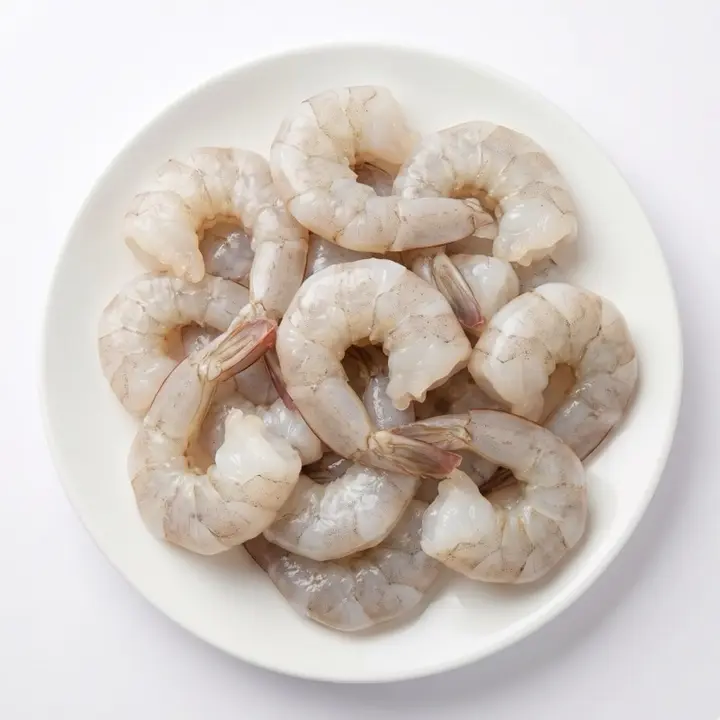
- For prawns: ask for them peeled and deveined.
- Check freshness: bright eyes, red gills, firm flesh and a clean sea smell. Crab should feel heavy for its size.
You might also like: fish protein guide, fish for women over 40 and omega-3 fish in India.
What to do next: see today’s bangda or prawns, check today’s fish prices, or see what is fresh in the shop.
Sources
- ICMR-NIN. Dietary Guidelines for Indians 2024, pages 10, 56 and 58 to 60. PDF at nin.res.in.
- ICMR-NIN. Indian Food Composition Tables 2017. PDF at nin.res.in.
- NIH Office of Dietary Supplements. Zinc fact sheet.
- NIH Office of Dietary Supplements. Selenium fact sheet.
- NIH Office of Dietary Supplements. Vitamin B12 fact sheet.
- NIH Office of Dietary Supplements. Omega-3 fact sheet.
- US FDA. Advice about eating fish.
- Rai RK and others. Fish consumption and anaemia and metabolic disorder among Indian adults. British Journal of Nutrition, 2025. cambridge.org.
Frequently asked questions
Is fish good for hair and skin?
Fish can be part of a diet that supports hair and skin. It gives complete protein, long-chain omega-3, zinc, selenium and vitamin B12. ICMR-NIN says minerals such as zinc and selenium are needed to maintain skin, hair and nails. Fish is not a treatment for hair fall or skin disease, so see a doctor if you notice sudden changes.
Which fish is best for hair growth?
No single fish is proven to make hair grow faster. Choose a mix instead. Bangda and surmai give over 21 g of protein per 100 g raw (IFCT 2017). Shellfish such as crab and oysters are rich in zinc, and prawns and sardines give selenium, according to NIH data. Rotating these through the week covers more nutrients than eating one fish.
Can eating fish stop hair fall?
There is no good evidence that fish alone stops hair fall. Hair fall has many causes, including hormones, illness, stress and deficiencies. NIH notes that zinc deficiency can cause alopecia in children and that too much selenium can cause hair loss. If your hair fall is heavy or sudden, see a doctor before changing your diet or taking supplements.
How often should I eat fish for healthy skin?
ICMR-NIN suggests about 200 g of marine fish a week for omega-3 fats, which is two meals of about 100 g each. That is a sensible starting point. Within its 700 to 900 g a week limit for fish, poultry and lean meat, you can eat fish more often. Rotate species and keep frying light.
Do I need zinc or selenium supplements for hair?
Most people do not, and more is not better. NIH says the upper limit for selenium is 400 mcg a day for adults, and that chronic excess causes hair loss and brittle nails. The zinc upper limit is 40 mg a day. Eat fish, eggs, dal and nuts first, and take supplements only if your doctor finds a deficiency.
How we write and check these guides: editorial standards
Share this article: