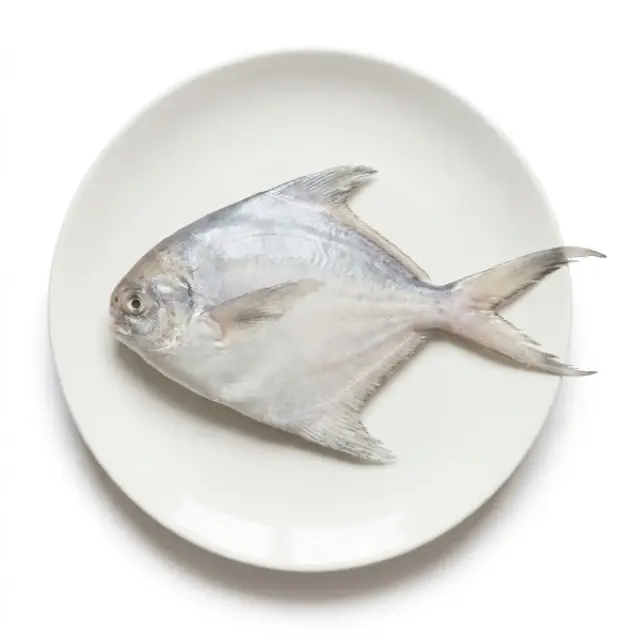
Fish in this guide: PomfretRawas (Indian Salmon)Bhetki (Barramundi)Sole FishRohu Today's prices →
Diet After Fever Recovery: Soft, Simple Meals and Where Fish Fits
The best diet after fever recovery is small, soft, frequent meals, plenty of fluids, and a slow return of protein. ICMR-NIN advises small amounts at frequent intervals and lots of water during and after illness. Once your appetite comes back, steamed or lightly cooked pomfret or rawas is an easy way to add good protein. Build up slowly, and follow your doctor’s advice first.
Quick answer
- First: fluids. Water, soup, dal water and coconut water.
- Next: soft food in small portions, like khichdi, curd rice and idli.
- Then: add a protein food to each meal. Steamed fish, eggs, dal and curd all work.
- Best fish: lean, soft fish such as rawas, bhetki (barramundi) or pomfret, steamed or in a thin stew.
- Skip for now: deep-fried, very spicy and raw fish.
A fever can have many causes, from a viral cold or flu to dengue. MedlinePlus notes that almost any infection can cause one. The cause needs a doctor’s care. This guide covers the food side only. Every number comes from a source listed under Sources.
This is general food information, not medical advice. Always follow your doctor’s instructions, especially after dengue, typhoid, jaundice, a stomach infection or a hospital stay.
Why does recovery need good food?
Fever and infection take a lot out of the body. Appetite drops. Some people vomit or have loose motions. ICMR-NIN notes that during infection, children eat less and lose nutrients in urine and stools. It warns that the habit of restricting food during sickness can make things worse.
Three things matter most:
- Fluids. MedlinePlus, from the US National Library of Medicine, says everyone with a fever should drink plenty of fluids. Water, soup and other liquids all count.
- Energy. You need enough food to stop losing weight. Rice, khichdi, bhakri and poha are easy sources.
- Protein. ICMR-NIN says protein needs rise during infections, illness and physical stress.
MedlinePlus also says that eating is fine during a fever, but you should not force food. Let appetite guide portions in the early days.
How much protein do you need, and why fish?
ICMR-NIN sets the adult protein allowance at 0.83 g per kg of body weight a day. For a 60 kg adult, that is about 50 g. It says milk, meat, fish and eggs are rich in protein. Animal proteins also give all the essential amino acids (the building blocks the body cannot make) in the right proportions.
Fish has two extra advantages after illness. It cooks quickly. And lean white fish has soft flesh that is easy to chew and swallow.
| Fish (Marathi) | Protein per 100 g raw | Fat per 100 g raw | Why it suits recovery |
|---|---|---|---|
| Rawas (रावस) | 17.9 g | 0.1 g | Very lean, mild flavour |
| Bhetki (भेटकी) | 15.28 g | 0.29 g | Lean, boneless fillets |
| Rohu (रोहू) | 19.71 g | 2.39 g | Light, good in thin curry |
| Pomfret (पापलेट, white) | 19.02 g | 5.12 g | Very soft flesh, few bones |
| Bangda (बांगडा) | 21.51 g | 1.53 g | Good later, once eating normally |
Sources: IFCT 2017 (ICMR-NIN) for all except rawas, which is from the Philippine Food Composition Table for the same species. Sole (लेप) is another soft, mild fish many families use, though we could not verify its nutrient values.
For more on fish protein, read our fish protein guide or the fish vs chicken comparison.
How do you return to normal meals, step by step?
This is a common, sensible order. Your doctor may advise differently for your illness.
| Stage | What to eat | Fish? |
|---|---|---|
| While fever is high | Water, ORS if advised, soup, coconut water, dal water, light rice kanji | Not needed yet |
| First days after fever settles | Soft khichdi, curd rice, idli, mashed vegetables, fruit | A spoon of steamed, flaked fish if appetite allows |
| Appetite returning | Small, frequent meals, with a protein food in each | Steamed fish or a thin, mild fish stew |
| Back to normal | Your usual thali | Regular curry or a light tawa fry |
ICMR-NIN’s advice on feeding during illness supports this. During recovery, it suggests cereal-pulse meals with milk, mashed vegetables and fruit. It advises small amounts at frequent intervals and plenty of water. For children, it says to give more food after the illness until they are back to their old weight.
Which fish dishes are easiest after a fever?
Keep chilli low and oil light. Use fresh ginger, turmeric, a little jeera and lemon for flavour.
1. Steamed pomfret with ginger and lemon
- Ask for a pomfret cleaned and cut into 2 to 3 pieces, or as fillets.
- Rub with a pinch of salt, turmeric and grated ginger. Rest for 10 minutes.
- Place on a plate in a steamer or a covered idli pot over boiling water.
- Steam for 8 to 10 minutes, until the flesh is opaque and flakes easily.
- Squeeze lemon on top. Serve with soft rice or khichdi.
2. Light rawas or bhetki stew
- In a pan, warm one teaspoon of oil. Add jeera, a little chopped onion and ginger.
- Add one chopped tomato, turmeric and salt. Cook until soft.
- Add 1 to 2 cups of water and bring to a gentle boil.
- Slide in boneless fish cubes. Simmer for 6 to 8 minutes. Do not stir hard.
- Finish with coriander. Serve as a thin stew with rice.
For a richer version later, a little thin coconut milk works well. A full Malvani pomfret curry can wait until you are fully back to normal.
3. Fish khichdi for a poor appetite
- Cook moong dal khichdi a little softer than usual.
- Separately steam a small fillet of rawas or bhetki.
- Flake the fish, check carefully for bones, and stir it into the khichdi.
- Add a spoon of ghee and a pinch of salt. Serve warm with curd.
This is a good way to add protein for older adults and children who cannot eat a full piece of fish.
What to skip for now
- Deep-fried fish such as a rava fry. Save your bangda fry for a week or two later.
- Very spicy or oily curries.
- Raw or undercooked fish. The US FDA advises cooking fish to 63°C (145°F), or until it is opaque and flakes with a fork.
- Leftovers reheated again and again.
Why does kitchen hygiene matter more now?
After an illness, you do not want a stomach infection on top. ICMR-NIN gives clear kitchen advice:
- Wash hands with soap and water for at least 20 seconds before cooking and before eating.
- Keep raw fish and cooked food separate in the fridge, in different compartments.
- Keep the fridge below 5°C.
- Keep cooked food hot (above 60°C) or cool it quickly (below 5°C). Most germs grow between 5°C and 60°C.
- Reheat stored food thoroughly, but avoid reheating the same food again and again.
- Store cooked food in covered containers, in small portions.
Buy fish fresh and cook it the same day if you can. Bright eyes, red gills and firm flesh are the signs of fresh fish.
When should you call a doctor?
Food supports recovery. It does not replace medical care. MedlinePlus advises adults to contact a doctor right away if they:
- have a fever of 40.6°C (105°F) or higher
- have a fever that stays at or keeps rising above 39.4°C (103°F)
- have a fever for longer than 48 to 72 hours
- have fevers that come and go for a week or more, even if not very high
- have a new rash or bruises, or pain while passing urine
- have a long-term illness such as heart disease, diabetes or COPD, or a weak immune system
A special warning about dengue. WHO says the severe symptoms of dengue often come after the fever has gone. Seek care immediately if you notice:
- severe stomach pain or repeated vomiting
- fast breathing
- bleeding gums or nose, or blood in vomit or stools
- extreme thirst, pale and cold skin, restlessness or feeling very weak
WHO also says people with dengue should rest, drink plenty of liquids, and use paracetamol for pain. It advises avoiding ibuprofen and aspirin, as they can increase the risk of bleeding. Do not take any medicine without asking your doctor.
How to get easy-to-cook fish in Thane
When someone at home is recovering, a market trip is the last thing you need. Verified sellers on Relifish list pomfret, rawas, bhetki, rohu and other fish, depending on the day’s catch. You choose how it is cleaned and cut, so ask for boneless fillets or small, cleaned pieces. Pick a 2-hour delivery slot in Thane, Mulund or Bhandup, or pre-order for a later day.
Prices change daily, so check today’s fish prices first, then see what is fresh today. Once you are fully well, our guide to foods for immunity shows how fish fits a balanced everyday diet.
What to do next: check today’s rawas and pomfret on fish price today, and ask the seller for boneless fillets when you order from the shop.
Related reading
- Fish for Elderly Parents: Soft, Low-Bone Picks and Recipes
- Patra Ni Machhi Recipe: Parsi Steamed Pomfret
Sources
- ICMR-National Institute of Nutrition. Dietary Guidelines for Indians 2024. Page 9 (higher protein needs during infections and illness; animal protein quality), page 38 (feeding children during and after illness), page 42 (small frequent feeds, fluids, cereal-pulse diet in recovery), page 58 (0.83 g/kg protein), pages 78 to 80 (food safety, refrigeration, hand washing). PDF at nin.res.in.
- Longvah T, et al. Indian Food Composition Tables 2017 (IFCT 2017). ICMR-NIN, Hyderabad. Table 1 (protein and fat): Betki P005, Rohu S006, Pomfret white P057, Mackerel P034. PDF at nin.res.in.
- Philippine Food Composition Tables (FNRI-DOST). Fourfinger threadfin, Eleutheronema tetradactylum (rawas): protein and fat per 100 g.
- MedlinePlus, US National Library of Medicine. Fever. Fluids, not forcing food, when adults should contact a provider.
- World Health Organization. Dengue and severe dengue fact sheet. Severe symptoms after fever, rest, fluids, paracetamol, avoiding ibuprofen and aspirin.
- US Food and Drug Administration. Meat, Poultry & Seafood (Food Safety for Moms-to-Be). Cooking fish to 145°F (63°C).
Frequently asked questions
What should I eat after fever recovery?
Start with fluids and soft, simple food, then build up. ICMR-NIN advises small quantities at frequent intervals, plenty of water, and nutrient-rich cereal-pulse meals with milk, vegetables and fruit during recovery. Once your appetite returns and your doctor agrees, soft protein foods such as steamed fish, eggs, dal and curd help you get back to normal meals.
Can I eat fish after fever?
For most people, yes, once the fever has settled and you can eat normally again. Choose a soft, lean fish such as pomfret, rawas or bhetki, steamed or in a thin, mild curry. Avoid deep-fried and very spicy fish for a few days. If you had dengue, typhoid, jaundice or a stomach infection, ask your doctor what to eat first.
Why is protein important after illness?
ICMR-NIN says protein needs go up during infections, illness and physical stress. Fish provides all the essential amino acids, and animal proteins are easily digested and absorbed. The adult allowance is 0.83 g per kg of body weight a day. Many people eat less while ill, so adding protein back gently as appetite returns makes sense.
Which fish is easiest to digest?
Lean white fish with soft flesh are the gentlest choice. Rawas has about 0.1 g fat per 100 g raw, bhetki about 0.29 g and rohu about 2.4 g, while white pomfret has about 5 g but very soft flesh. Steam or poach them rather than frying. Ask for boneless fillets so the meal is easy for an older adult or a child.
When should I see a doctor after a fever?
See a doctor if a fever lasts longer than 48 to 72 hours, stays at or above 39.4°C (103°F), or keeps coming back for a week, says MedlinePlus. With dengue, WHO warns that severe signs often appear after the fever goes. Severe stomach pain, repeated vomiting, bleeding gums or nose, or fast breathing need care immediately.
How we write and check these guides: editorial standards
Share this article: