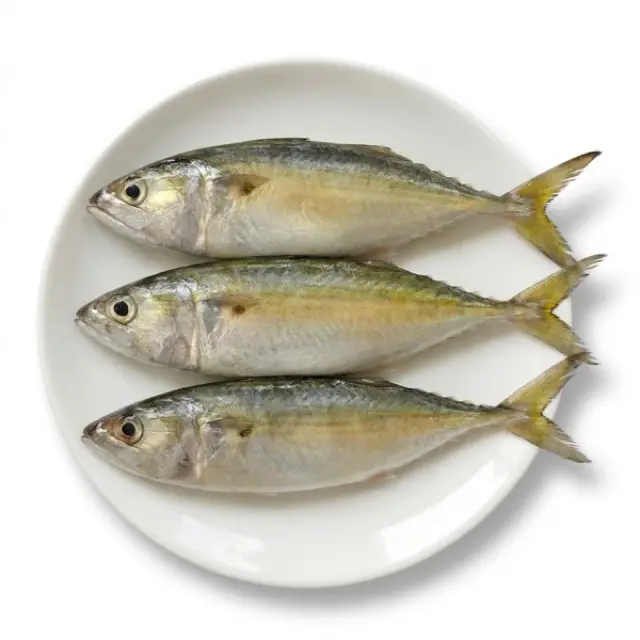
Fish in this guide: Bangda (Mackerel)SardineSurmai (Kingfish)PomfretRawas (Indian Salmon) Today's prices →
Fish for High Blood Pressure: What Actually Helps
Fish for high blood pressure works best as fresh fish cooked with little salt. Fish itself is naturally low in sodium. Oily sea fish like bangda, tarli and surmai also add omega-3 fats and potassium.
The salt we add in masala, fries, pickles and dry fish matters far more than which fish you pick. Omega-3’s own effect on blood pressure is modest and uncertain.
Quick answer
- Fresh fish has very little sodium. The salt you cook it with is the real issue.
- Keep total salt under 5 g a day (about one level teaspoon), as ICMR-NIN and the WHO advise.
- Keep salted dry fish (sukat, sukha bombil) and fish pickle small and occasional.
- Rotate oily sea fish like surmai, halwa, tarli and bangda, two meals a week.
- Fish does not replace BP medicines. Keep taking what your doctor prescribed.
Every number below comes from a source listed under Sources.
This is general food information, not medical advice. If you have high blood pressure, kidney disease, or take BP medicines or blood thinners, ask your doctor before changing your diet, salt or supplements.
Salt is the real story
ICMR-NIN’s Dietary Guidelines for Indians (2024) are blunt about salt:
- High salt intake is linked with high blood pressure and related heart and blood vessel disease.
- Adults should have no more than 5 g of salt a day, about one teaspoon. That is 2 g of sodium.
- Average intake in Indian states ranges from 3 g to 10 g a day, and about 45% of people eat more than 5 g.
- Food itself supplies less than 10% of our sodium. Most comes from salt added in cooking or processing.
- High blood pressure is rare in populations eating less than 3 g of salt a day.
The WHO gives the same limit: less than 2,000 mg of sodium, or under 5 g of salt. It says the global average in 2021 was 4,278 mg of sodium, about 11 g of salt, more than double the advice.
So the question is not only “which fish?”. It is “how much salt goes into my fish?”
Fresh fish is low in sodium
Fresh fish and shellfish carry very little sodium of their own. These are USDA values per 100 g:
| Food (USDA FoodData Central) | Sodium | Potassium |
|---|---|---|
| Skipjack tuna, fresh, raw | 37 mg | 407 mg |
| Atlantic salmon, farmed, raw | 59 mg | 363 mg |
| Atlantic mackerel, raw | 90 mg | 314 mg |
| Shrimp, cooked | 111 mg | 259 mg |
| Sardines, canned in oil, drained | 307 mg | 397 mg |
These are US species, the closest data we have. Atlantic mackerel is a relative of our bangda, and skipjack is a tuna like kupa. Notice the jump for canned sardines. Processing adds sodium; fresh fish has little.
Now compare that with salt. One teaspoon of salt carries about 2,000 mg of sodium. A heavy hand in a fish masala can add more sodium than the fish itself many times over.
Where the salt hides in a fish meal
ICMR-NIN lists salted dry fish by name among processed foods that push up salt intake, along with papads, sauces, ketchup and pickled or preserved foods. In a Maharashtrian kitchen, watch these:
| Dish or habit | Why it adds salt | Lighter swap |
|---|---|---|
| Sukat, dry bombil, dried prawns | Preserved with salt | Small portions, occasionally, with no extra salt in the dish |
| Fish or prawn pickle | Salt is the preservative | A spoon, not a side dish |
| Salt-and-turmeric rub, then masala, then salt again | Salt added twice | Rub with turmeric, lemon and ginger-garlic; salt once, lightly |
| Ready fish masala, stock cubes | Often contain salt | Grind your own masala |
| Papad and solkadhi with every fish thali | Both carry salt | Pick one, not both |
Rock salt (sendha namak) and black salt are not a fix. ICMR-NIN says their sodium content is almost the same as table salt. Use less of any salt, and keep it iodised; our guide to seafood for thyroid explains why.
Omega-3 and blood pressure: what sources say
Here the honest answer is “maybe a little”.
- US FDA (2019): it allowed food labels to say EPA and DHA omega-3s may reduce the risk of hypertension by lowering blood pressure. But it requires the label to say the evidence is inconclusive and highly inconsistent. The claim is only allowed on foods with at least 0.8 g of EPA plus DHA per serving.
- US NIH: early trials suggested long-chain omega-3s may protect the heart partly by lowering blood pressure and triglycerides. Overall, it says eating fish and seafood as part of a balanced diet promotes heart health, especially when seafood replaces less healthy foods.
- American Heart Association: eat 2 servings of fish a week, particularly fatty fish. A serving is 3 ounces cooked, about 85 g.
Indian sea fish richest in omega-3, per 100 g raw (IFCT 2017):
| Fish | Marathi | EPA + DHA |
|---|---|---|
| Surmai | सुरमई | 1.05 g |
| Halwa (black pomfret) | हलवा | 0.81 g |
| Tarli (oil sardine) | तारली | 0.61 g |
| Paplet (white pomfret) | पापलेट | 0.59 g |
| Bangda (Indian mackerel) | बांगडा | 0.33 g |
These are good fish to rotate through the week. But no fish replaces your BP tablets. For more on omega-3, see our omega 3 fish in India chart.
Potassium: the other half of the balance
ICMR-NIN says it is the ratio of sodium to potassium that matters most for blood pressure. High sodium and low potassium are each linked to high blood pressure. At 5 g of salt a day, it puts potassium needs at about 3,800 mg. Vegetables (400 g a day) and fruits (100 g) can meet this, and it adds that nuts and flesh foods are good sources too.
The US NIH sets adequate intakes of 3,400 mg a day for men and 2,600 mg for women. It notes that the DASH eating pattern, rich in potassium, lowered blood pressure by an average of 5.5 mmHg systolic and 3.0 mmHg diastolic. NIH examples per serving:
| Food (NIH) | Potassium |
|---|---|
| Lentils, cooked, 1 cup | 731 mg |
| Potato, baked, 1 medium | 610 mg |
| Banana, 1 medium | 422 mg |
| Salmon, farmed, cooked, 3 ounces | 326 mg |
| Tuna, canned in water, 3 ounces | 153 mg |
So a fish meal helps, but the dal, sabzi and fruit around it do most of the potassium work.
Important caution: some people can build up too much potassium, even from food. The NIH names people with kidney disease, and those on ACE inhibitors or potassium-sparing diuretics. Potassium-based “low sodium” salt substitutes carry the same risk. Ask your doctor before using them. If you also have diabetes, our fish for diabetes post covers related swaps.
Low-salt Maharashtrian fish dishes
You do not need bland food. Lean on sour, fresh and roasted flavours instead of salt.
- Paplet hirva masala (green masala). Coriander, green chilli, ginger, garlic and lemon carry the flavour. Steam or shallow-cook it with little salt.
- Bangda kokum curry. Kokum gives a sharp sourness that lets you cut salt. Keep the coconut and oil light.
- Kolambi with drumstick or brinjal. Vegetables add potassium and bulk, so the prawns go further.
- Rawas or surmai tawa fry with lemon. Rub with turmeric, chilli and ginger-garlic. Salt lightly, and finish with lemon at the table instead of more salt.
- Tarli tikhla. A dry chilli-garlic masala on oil sardine is bold enough to need very little salt.
Our pomfret curry and bangda fry recipes work well with half the salt and an extra squeeze of kokum or lemon.
Cooking tips that cut salt
- Measure. Keep the day’s 5 g, about a level teaspoon, in a small bowl and cook from it.
- Salt once, at the end. Taste first; spices and kokum already add a lot of flavour.
- Use acid. Lemon, kokum, tamarind and raw mango brighten flavour the way salt does.
- Choose fresh over processed. Fresh fish, not canned, salted or ready-marinated.
- Keep oil modest. ICMR-NIN suggests limiting cooking oil to around 27 to 30 g a day on a 2,000 kcal diet.
- Fill the plate. Half vegetables or salad, then fish, then rice or bhakri.
Prices move with the catch every day, so check today’s fish prices before you plan your week.
Getting fresh fish in Thane
Verified sellers on Relifish list bangda, tarli, paplet, surmai and rawas when they have them. Ask for it cleaned and cut the way your recipe needs. Order for today or pre-order, and pick a 2-hour delivery slot in Thane, Mulund or Bhandup.
What to ask for at the counter
| Fish | Cut to ask for | Freshness check | For a family of four |
|---|---|---|---|
| Bangda | Whole, gutted, two slits each side | Bright eyes, red gills, firm body | One fish per person |
| Tarli | Scaled and gutted, head off | Shiny skin, no soft belly | A small plate per person |
| Surmai | Steaks about 1 cm thick | Firm flesh that springs back | One steak per person |
| Paplet | Whole with slits, or two halves | Clear eyes, white flesh, no smell | One medium fish for two people |
Fresh fish needs no salt to taste good. Cook it the same day, or store it as in our guide to storing fish at home.
What to do next: check today’s fish prices, then order bangda or surmai from the shop for a low-salt kokum curry this week.
You might also like: fish for cholesterol, fish for women over 40 and best fish for weight loss.
Related reading
- Fish for Kidney Patients: Portions, Salt and Safe Picks
- Low Oil Fish Curry: Konkani Kokum Curry in 2 tsp Oil
Sources
- ICMR-National Institute of Nutrition. Dietary Guidelines for Indians 2024. PDF at nin.res.in. Guideline 11 (salt, pages 73 to 76): 5 g limit, 3 to 10 g intakes, 45% above 5 g, less than 10% of sodium from food, Na:K ratio, 3,800 mg potassium, salted dry fish, rock and black salt. Guideline 7 (visible fat, page 54).
- World Health Organization. Sodium reduction fact sheet. Under 2,000 mg sodium (5 g salt), 2021 global average 4,278 mg.
- US Food and Drug Administration. FDA announces new qualified health claims for EPA and DHA omega-3 consumption and the risk of hypertension and coronary heart disease (19 June 2019).
- US National Institutes of Health, Office of Dietary Supplements. Omega-3 Fatty Acids: Fact Sheet for Health Professionals.
- US National Institutes of Health, Office of Dietary Supplements. Potassium: Fact Sheet for Health Professionals. Adequate intakes, food table, DASH results, salt substitutes, kidney disease and medicine cautions.
- USDA FoodData Central (SR Legacy): Skipjack tuna, raw (175156); Atlantic salmon, farmed, raw (175167); Atlantic mackerel, raw (175119); Shrimp, cooked (175180); Sardine, canned in oil, drained (175139).
- Longvah T, et al. Indian Food Composition Tables 2017. ICMR-NIN. PDF at nin.res.in. Table 7, EPA and DHA.
- American Heart Association. Fish and Omega-3 Fatty Acids (last reviewed 23 Aug 2024).
Frequently asked questions
Is fish good for high blood pressure?
Fresh fish can be a good part of a blood-pressure-friendly diet. It is naturally low in sodium, gives protein and potassium, and oily fish gives omega-3 fats. The US FDA says evidence that omega-3s lower blood pressure is inconsistent and inconclusive, though. The bigger factor is the salt you cook it with. Fish is food, not a replacement for your BP medicines.
Which fish is best for high blood pressure?
Fresh oily sea fish cooked with little salt are the best picks. In India's food tables, surmai, halwa, tarli (oil sardine) and paplet have the most omega-3 among sea fish. Fresh fish of any kind is low in sodium. Avoid making salted dry fish, fish pickles or heavily salted fries a regular habit, because ICMR-NIN lists salted dry fish among foods that push up salt intake.
Can BP patients eat dry fish?
Dry fish is best kept small and occasional if you have high blood pressure. ICMR-NIN's 2024 guidelines name salted dry fish among the processed foods that raise salt intake, and advise no more than 5 g of salt a day in total. If you do cook sukat or dry bombil, add no extra salt to the dish and balance the meal with vegetables. Ask your doctor about your own limit.
How much salt should a person with high blood pressure eat?
ICMR-NIN and the WHO both advise adults to keep salt below 5 g a day, about one teaspoon, which is 2,000 mg of sodium. ICMR-NIN notes that about 45% of Indians eat more than that. Your doctor may set a lower target if you have high blood pressure or kidney disease, so follow their advice. Keep the salt you use iodised.
Do fish oil capsules lower blood pressure?
The evidence is not strong. In 2019 the US FDA allowed only a qualified claim that EPA and DHA may reduce the risk of hypertension, saying the evidence is inconclusive and highly inconsistent. Capsules can also interact with blood thinners. For everyday health, health bodies advise eating fish. Ask your doctor before taking any supplement for blood pressure.
How we write and check these guides: editorial standards
Share this article: